
Visual Art Journal Interview
Interview
Interview
Visual Art Journal
Visual Art Journal
In May, I was honoured to have some of my art featured in the Visual Art Journal. I was also approached to be interviewed, featured along with my artworks.
In my interview, I discuss my art style and the inspiration behind my most personal pieces. A lot of emotion went into my answers, I hope it gives you some insight to me as an artist.
Based in the Netherlands, printed and distributed worldwide.
What inspired you to begin your journey as a digital artist, and how did you discover that digital art was the best medium for expressing your emotions and experiences?
I’ve had a love for the arts for as long as I can remember. I was shy growing up, and art was my favourite form of expression.
During high school I experienced a lot of friendship issues and bullying; the more I wanted to hide from the world, the more I fell in love with art. It was, and remains, my escape from the real world.
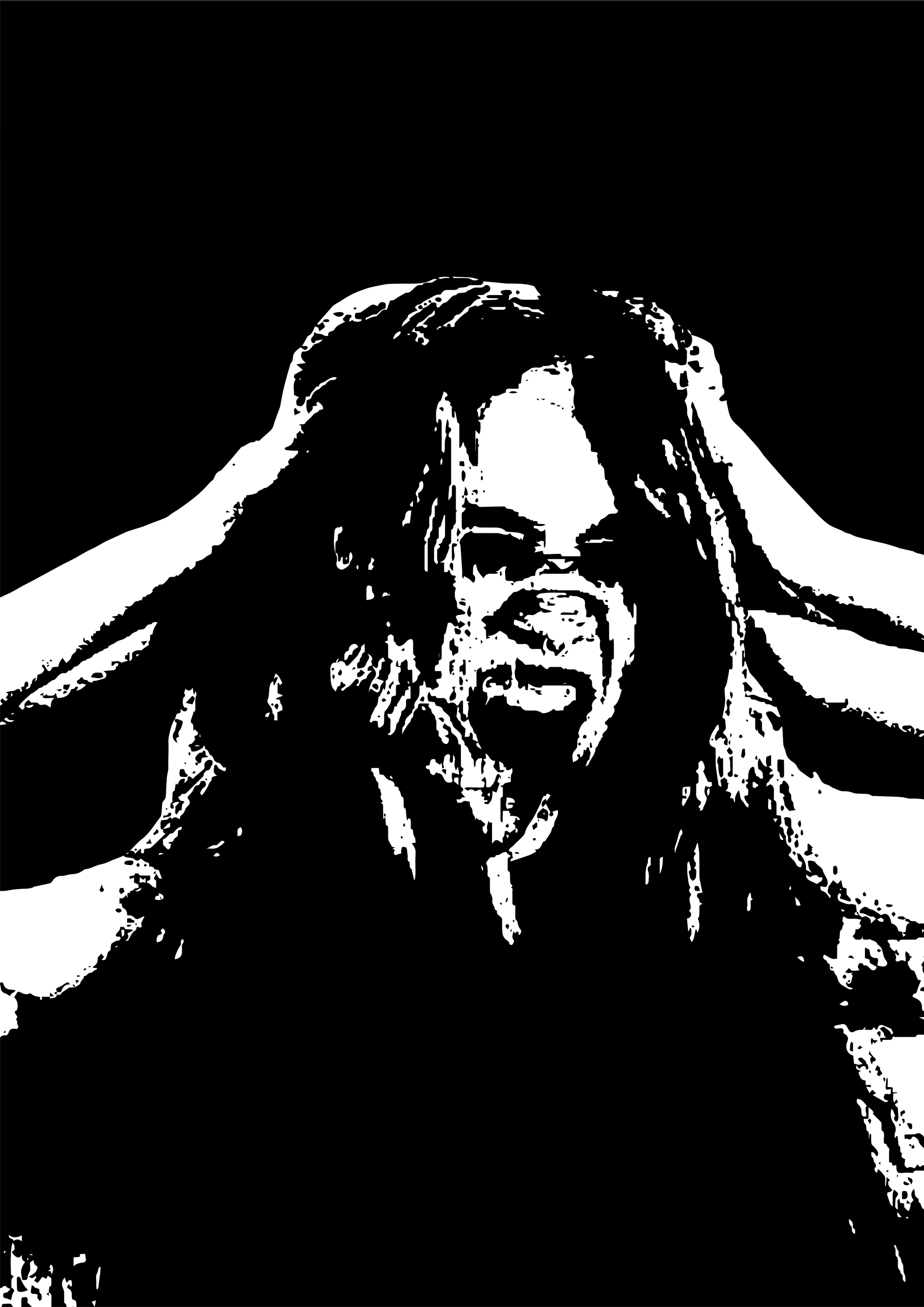
Digital art programs feel instinctive to me. My brain works fast creatively, and they allow me to multitask during the creative process in a way that I couldn’t with more manual mediums. Although sometimes my brain works so fast that my computer can’t keep up!
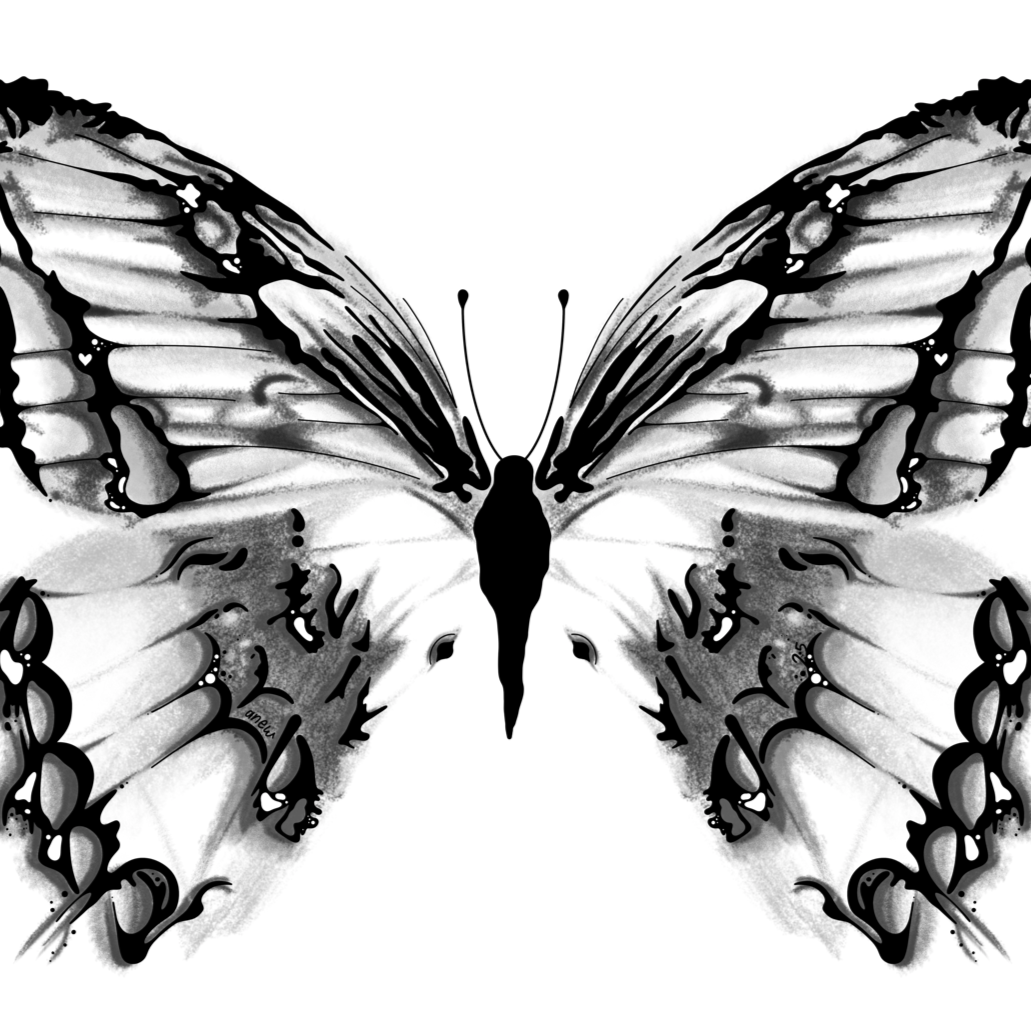
What do you hope the viewer takes away from your art? Are you looking to evoke a specific emotional response or spark reflection on certain issues?
I hope my art makes others feel something – even if that feeling is sadness or discomfort. Evoking uncomfortable and painful emotions can usually spark important conversations, or insightful self-reflection.
Acknowledging abuse, bullying and depression are very important to me. Initiating conversations and raising awareness of these issues can be uncomfortable. Everyone should feel safe to share their story and express their feelings.
It can be suffocating to feel you can’t share something that has happened to you because you’re worried about other people getting hurt. If something hurt you, it hurt you. And you can decide how, when and where to express that hurt. Don’t let others stop you from healing.
My goal is for people who have not experienced hurt, trauma or depression to become aware of the different and more subtle forms of abuse that aren’t talked about enough. Maybe these people will take the opportunity to reflect on their own relationships and realise they may be causing other people pain.
I also hope that my art makes people who have been made to feel the way I have realise that it is not okay. Hopefully they feel comfort in knowing they are not alone and that they deserve better.
Positive and negative emotional responses to my art are both welcome. I hope that whatever you feel, you use it to do better, or heal. A favourite saying of mine is “the opposite of depression is not joy – it’s expression”.
Feel what you feel and if you need to, make a change.
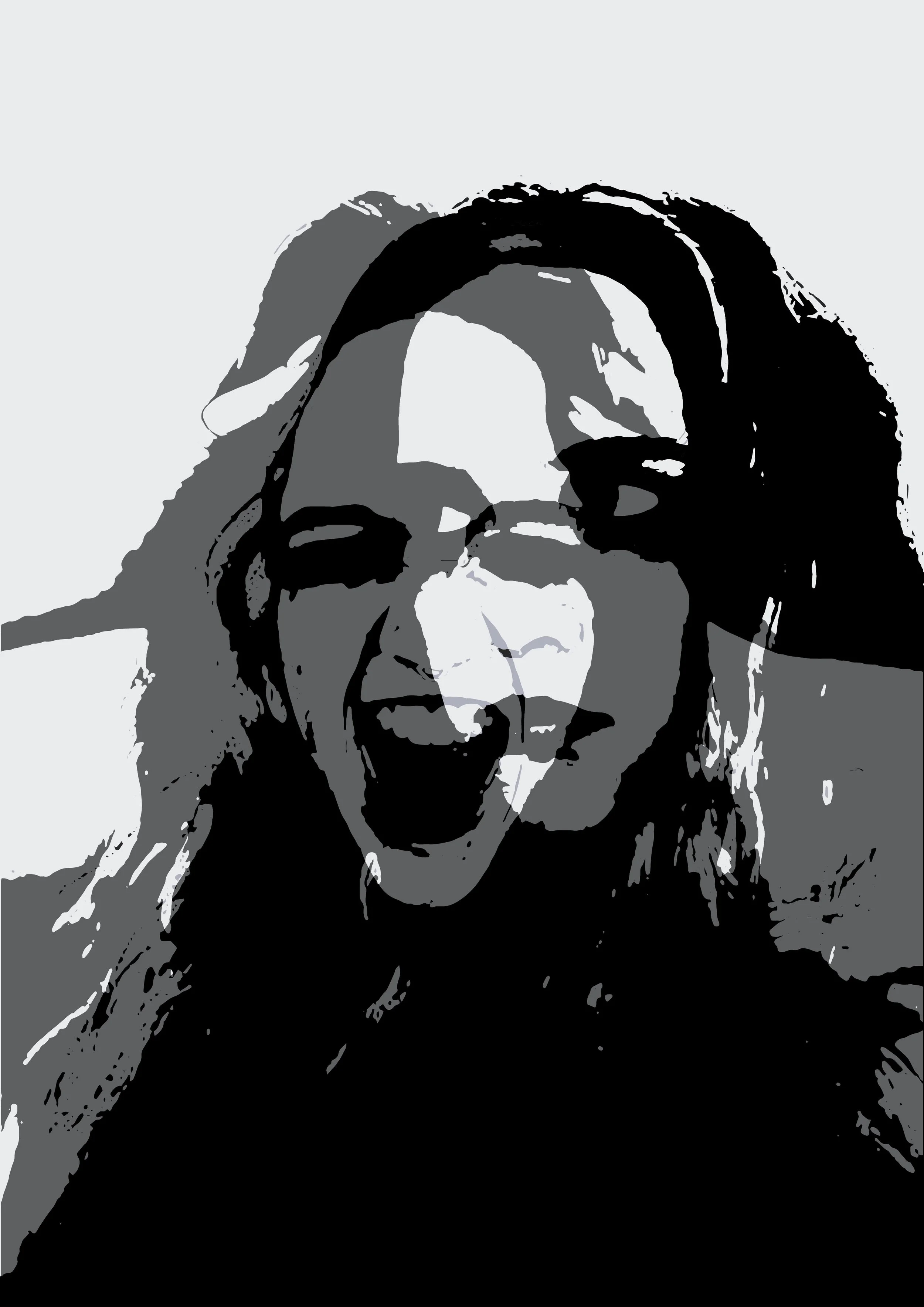
How does music influence your work? Are there specific genres or songs that you find particularly empowering or therapeutic when creating art?
As I always have a deep emotional connection to the art I am creating, I often use music to escape the realities of the topics I’m exploring. My artistic intuition and subconscious take over in this instance. Music has, along with art, helped me immensely through challenging life experiences. I am happiest when creating and listening to music, no matter the topic of the art.
Sometimes I listen to sad music that I relate to and that relates to the artwork I’m creating. This helps to inspire me and ensure the emotions I am aiming to portray are felt through the artwork. I tend to listen to music by Dean Lewis, especially his songs Empire and Waves. Matilda and Little Freak by Harry Styles also mean a lot to me, helping me get into the right headspace when creating emotionally powerful works.
When You Love Someone by James TW and Parents by Sam Fischer remind me a lot about the relationship between my parents which significantly impacted my childhood and inspires my art immensely. A Little Too Much and Life of the Party by Shawn Mendes both remind me a lot of my experiences and mental state in high school, which helped me a lot with this collection.
At other times, upbeat music helps me feel happy and relaxed when creating. I use this music when I’d prefer to escape the specific memories of the experience I am drawing from. In these instances, I tend to fully zone out and dissociate from my art and take the time to enjoy the beautiful mix of digital art and music. I then come back to my art with no music to refine my ideas and focus on technical design elements.